Buyers usually ask us for 'a price per mailer' as if it were one number. It isn't — the same #2 mailer can legitimately cost twice as much in one program as another. But the drivers are few and knowable: size, facing material, printing, and volume. Understand those four and every quote you receive becomes comparable.
As a reference point: buying factory-direct at wholesale volumes, small sizes like a #000 (4 × 7") land under ten cents a unit, mid sizes like a #2 (8.5 × 11") in the mid-teens, and the largest stock size, a #7 (14.25 × 19"), in the thirty-to-forty cent range. Distributor pricing typically adds one or two margins on top of numbers like these.
Size is most of the price
A bubble mailer is film and paper by the square inch, so price scales with area. A #7 has roughly nine times the face area of a #000 and costs roughly five times as much — the machine time doesn't grow as fast as the material. This is also why 'just a bit bigger to be safe' is expensive advice at volume: stepping one size up can add 10–20% to the unit price, multiplied across every parcel you ship.
Poly vs kraft, plain vs printed
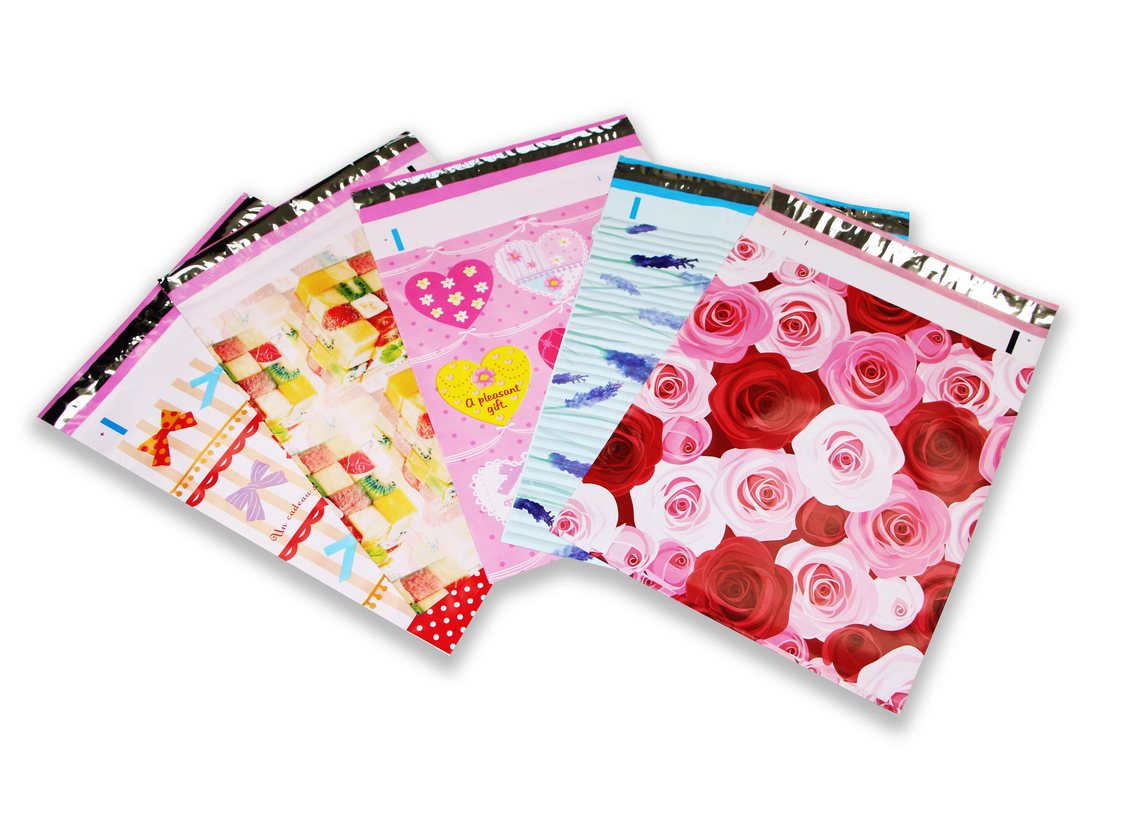
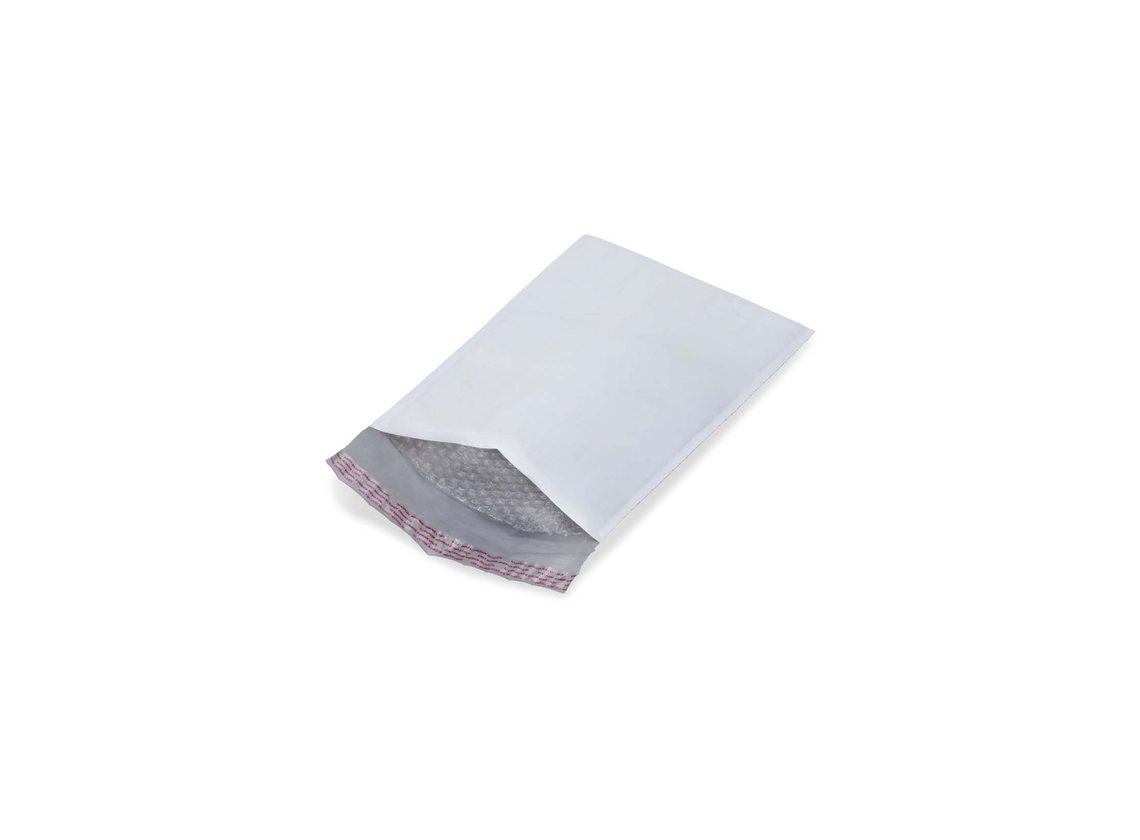
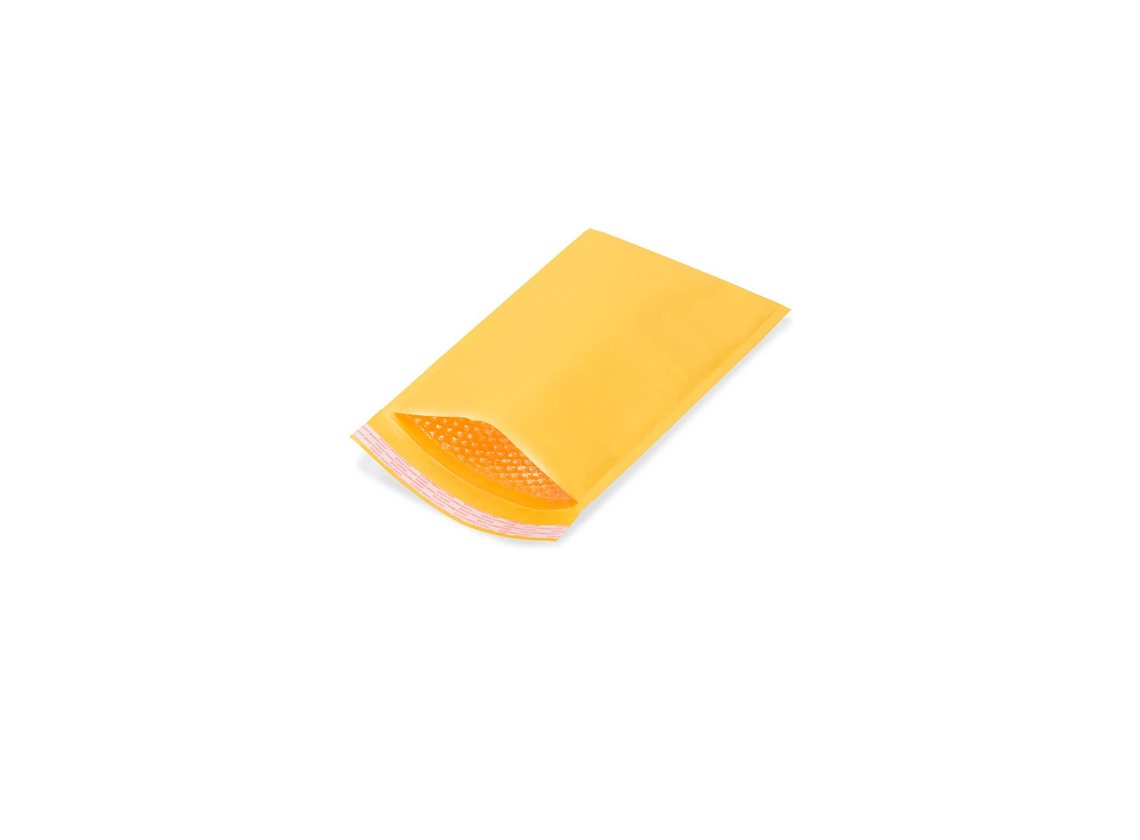
A natural kraft face usually runs a few percent above white poly at the same size — the paper weighs more than the film it replaces. Custom printing adds two costs: the printed facing itself, and one-time plate charges for the run. On tens of thousands of units the print premium per piece is small; on a couple thousand units the plates dominate, which is why printed programs have higher minimums.
Volume: where the curve actually bends
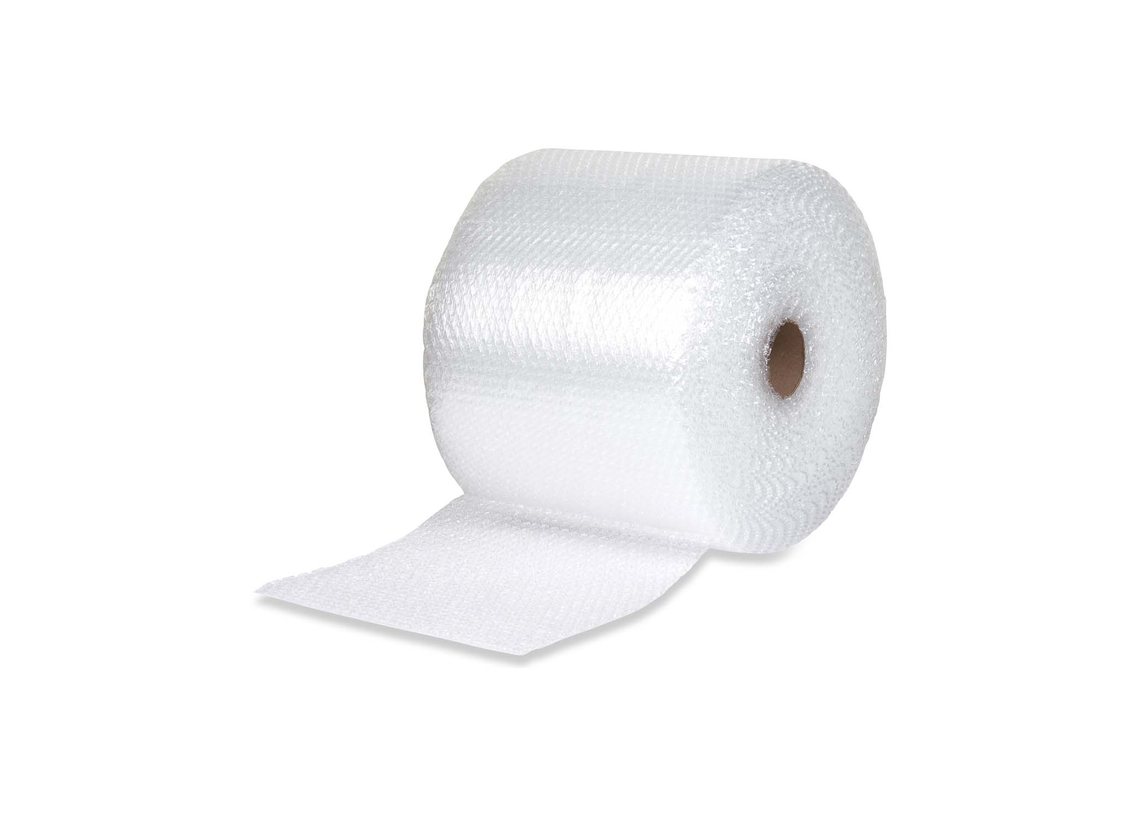
Mailer production is mostly linear — twice the units means twice the film — so unit prices don't collapse at higher volumes the way buyers sometimes hope. What volume does buy you is amortized setup, fuller pallets and better freight per unit, and leverage on the raw-material buy. The honest way to read a quote curve: expect meaningful steps up to a full pallet, and gentler ones after.
How to get a real number
Send a manufacturer three things: the sizes you buy today, your monthly volume by size, and whether the face is plain or printed. That's enough for an exact quote — ours come back within 24 hours. For a starting point before that conversation, the ballpark tool on our home page prices every stock size from the same engine our quote desk uses.
Quick answers
Why do two suppliers quote the same mailer so differently?
Usually channel, not product: a distributor resells a manufacturer's mailer with margin added, and import programs carry freight and duty in the price. Compare quotes at the same volume, same facing, and ask whether the number is factory-direct.
Do bubble mailer prices change over time?
Yes — the inputs are polyethylene resin and kraft paper, both commodity markets. Factory-direct programs typically hold a quoted price for a defined window and reprice on material moves rather than baking a permanent cushion into every unit.
What minimums should I expect?
For stock sizes, typically a few thousand pieces; printed and custom-size programs start higher because of plates and changeover. If a minimum looks scary, ask for it per size — mixed-size orders often qualify.